
Air Force surges munitions buys with $4.3B for JASSM and LRASM, $3.5B for AMRAAM
The awards follow a desire by officials to boost the Pentagon’s munitions stockpile.
The awards follow a desire by officials to boost the Pentagon’s munitions stockpile.
The services’ unfunded requests, obtained by Breaking Defense, reflect sharp increases compared to last year.

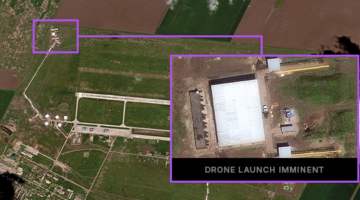
As NATO and European governments accelerate investment in space-based intelligence, decision advantage will depend on how quickly sovereign and commercial capabilities can be fused into a trusted operational picture.

Lockheed is putting its own funds toward early development work on the missile, which could “significantly” expand the missile’s reach past the JASSM and the Long-Range Anti-Ship Missile variants currently being produced for the Air Force and Navy, said Michael Rothstein, Lockheed’s vice president of air weapons and sensors.
Boeing will also soon begin flight testing a multimission pod developed with internal funds, according to company official Jon Spore.
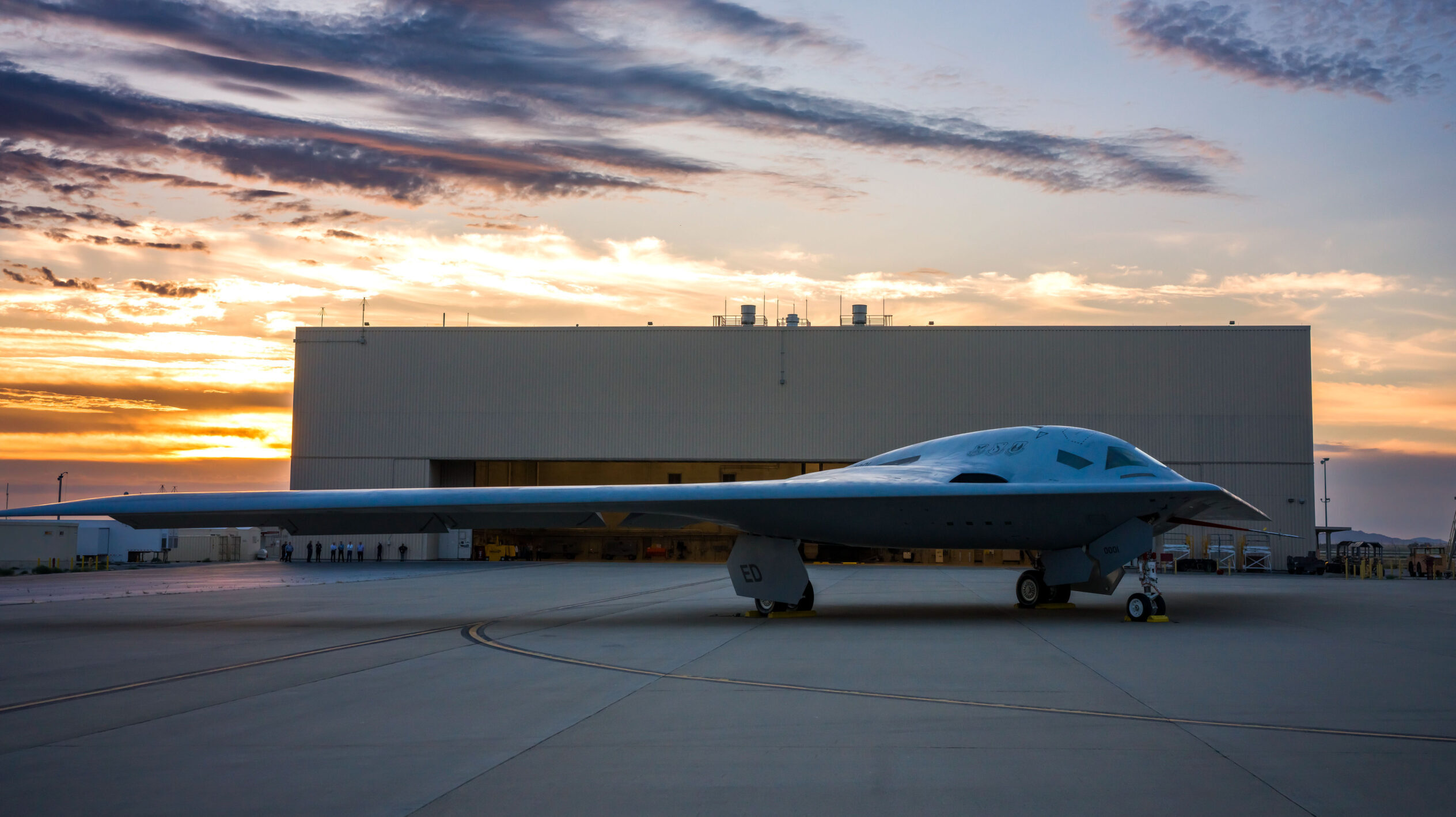
“We're very, very fixated on being competitive with the pacing challenge [of China],” said Air Force Secretary Frank Kendall. “I think the budget that we've submitted moves us forward — not quite as fast as we would like to, but it moves us forward in the right direction while maintaining current capabilities that are essential to the nation.”

HALO is the follow-on program to the Long Range Anti-Ship Missile, produced by Lockheed and used on both Navy and Air Force warplanes.

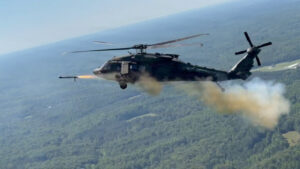
As operating environments grow more complex, Link 16 provides instantaneous, mission-wide connectivity to ensure no aircraft flies alone.
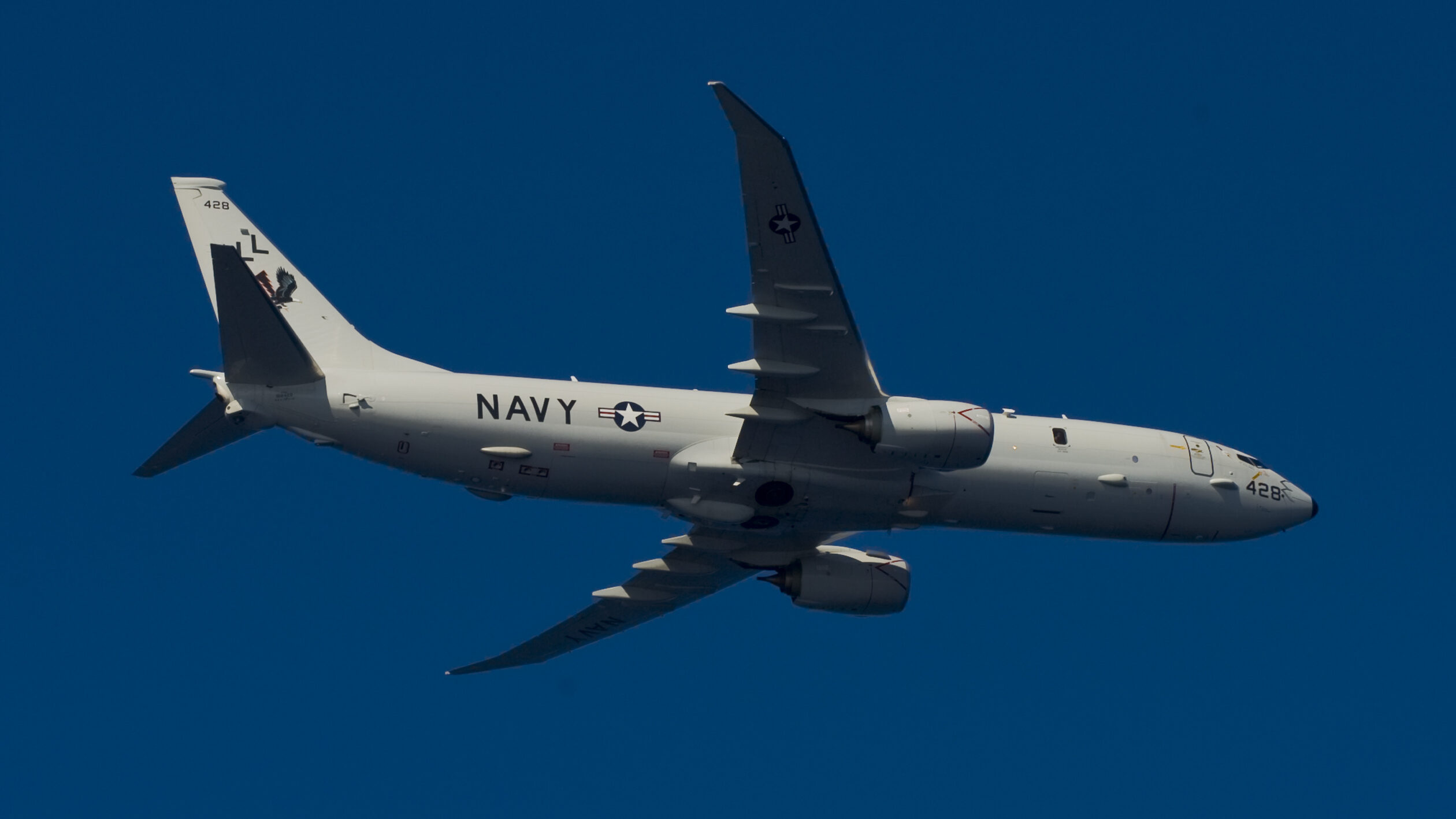
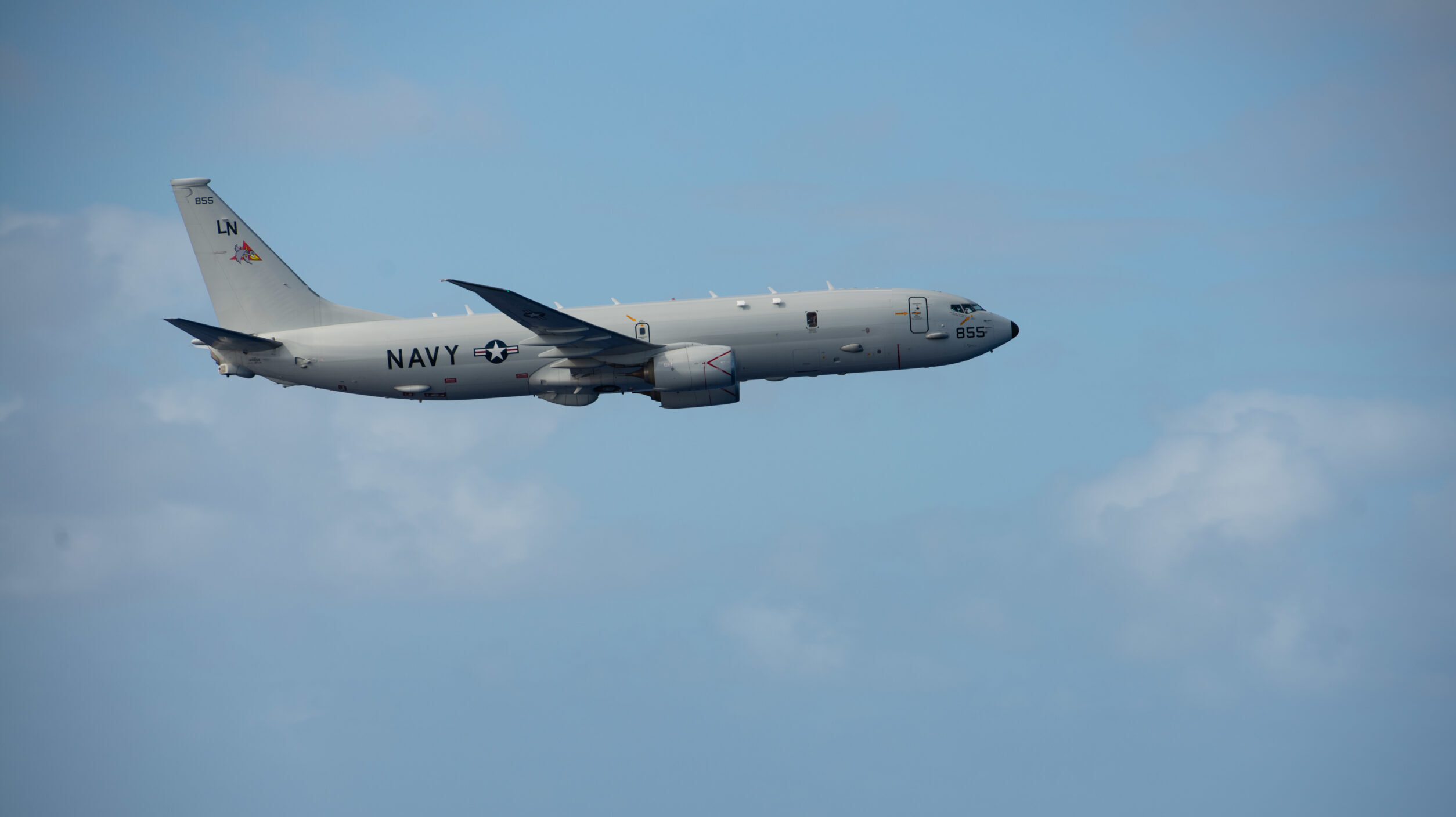
Upgrading the P-8's offensive capabilities could add confusion to any Chinese planning, but the Pentagon has struggled to integrate LRASM onto other aircraft.

The effort falls in line with Pentagon efforts to deploy more punch at longer ranges, a clear recognition of the growing ability of China and Russia to keep American and forces at a stand-off distance
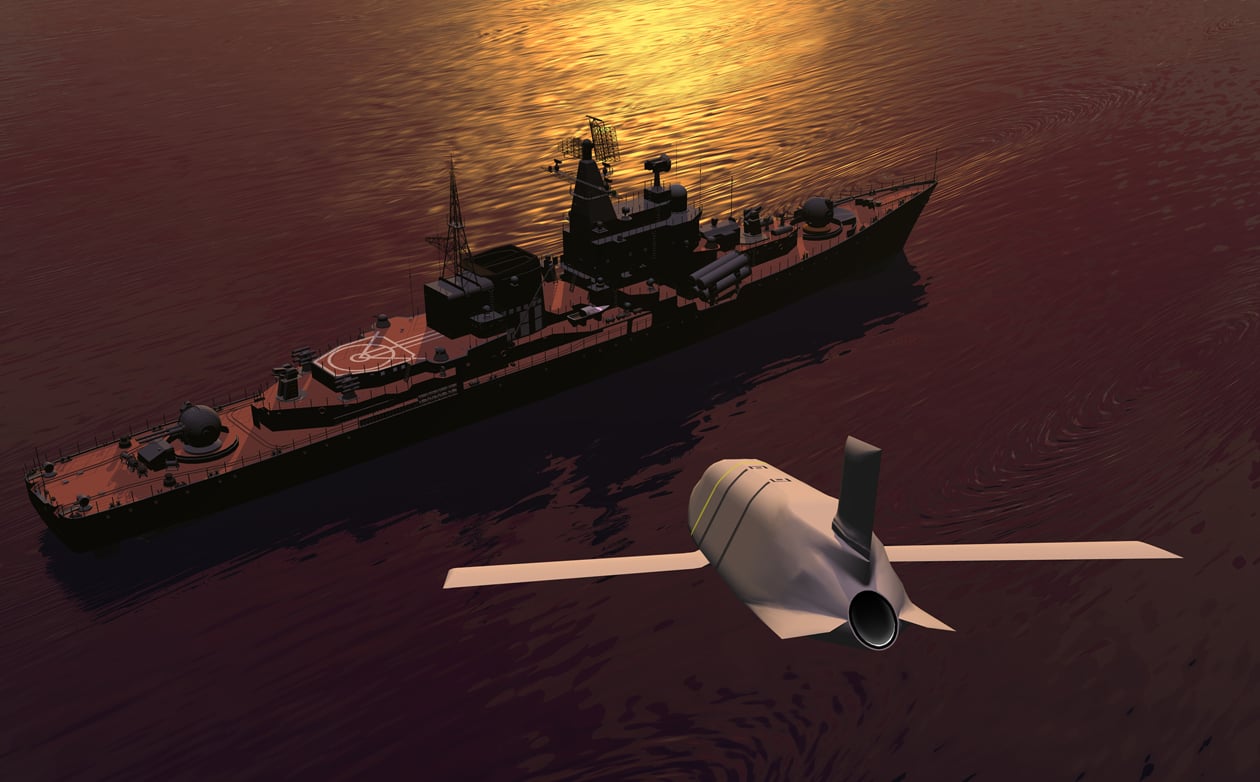
Submarines, spy planes, and surface ships are all getting an overhaul as the Navy worries about Chinese precision standoff weapons holding the US fleet at bay.

The US could develop more than a dozen different land-based weapons for $7 to $12 billion, thinktank CSBA estimates.

Beyond foreign sales, Rafael’s model enables tech transfer, local engineering, and is a template for NATO partners.
The Navy tells Congress it wants to get more deadly and sail longer. Quickly. Can you say unfunded requirements?

CAPITOL HILL: Threatened by hundreds of precision-guided munitions now in the hands of Russia and China, the Navy and Marine Corps continue to search for technologies and tactics that will allow them to operate close to the coastline without unsustainable losses. “We’re going to need long-range fires that can operate from a ship or from […]

Just back from a unsuccessful round of discussions with her Russian counterparts in Geneva to discuss the Cold war-era accord, Undersecretary of State Andrea Thompson told reporters today she’s not hopeful of saving the INF Treaty before Feb. 2, when time runs out on the 60 days the Trump administration have given Moscow to acknowledge it had violated the treaty.

“The Army is looking at this too but probably on a different timeline -- the Marine Corps wants to get after this pretty quickly.”